What Sets High-Quality Pest Control Services Apart
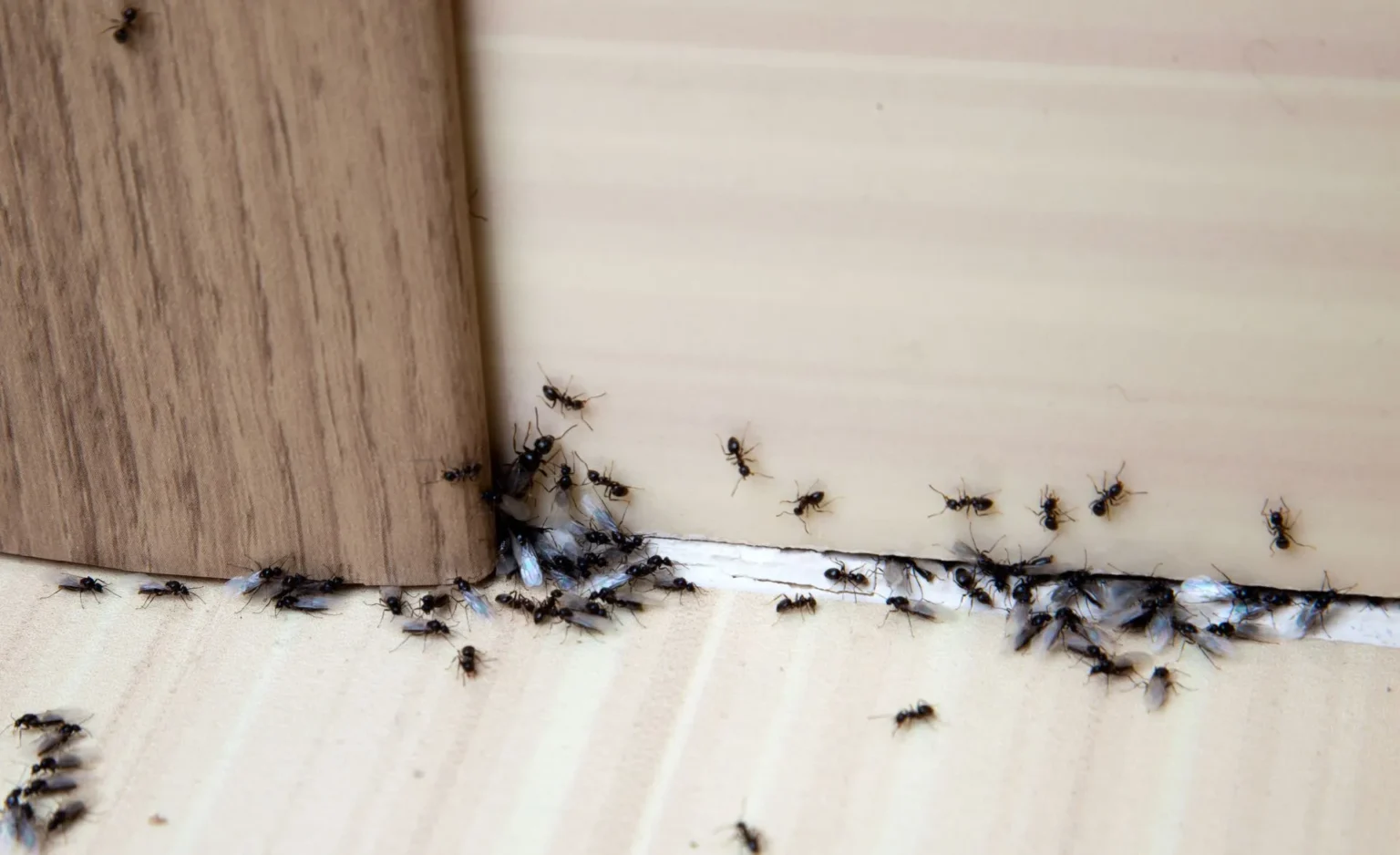

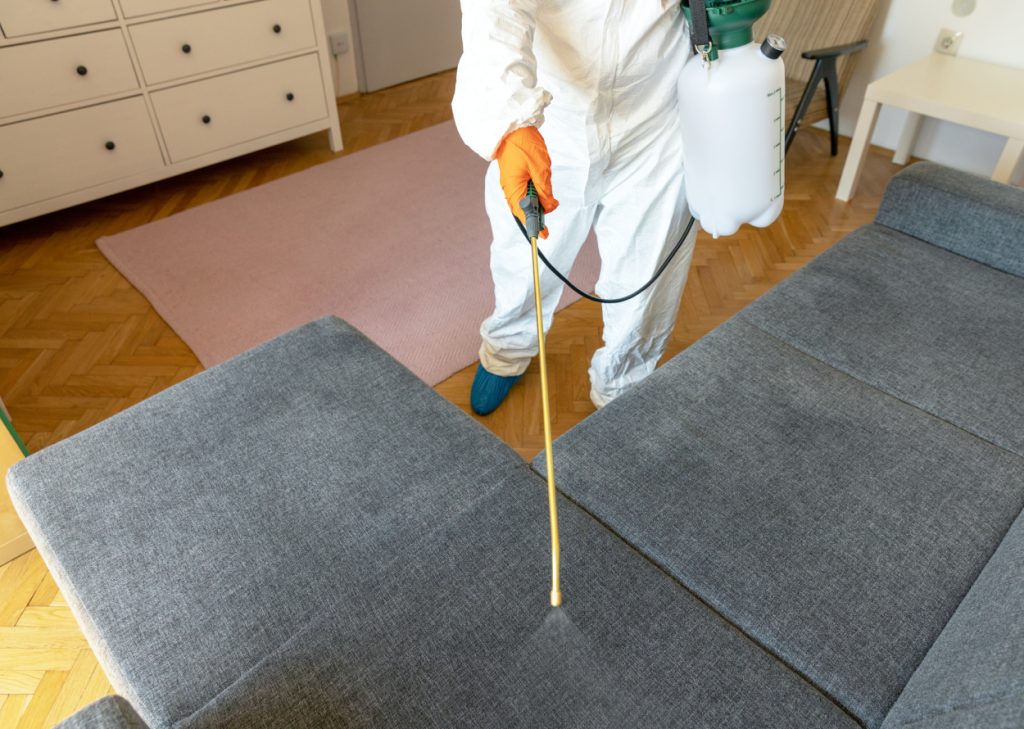
Most property owners do not spend much time thinking about pest control until something goes wrong. Ants start trailing across the kitchen counter. Rodents show up in a drop ceiling. Termite tubes appear along a foundation wall. A tenant calls about bed bugs, and now the situation carries legal, financial, and reputational consequences. In those moments, the difference between average and high-quality Pest Control Services becomes obvious very quickly.
Anyone can spray a baseboard or set a few traps. That is not the same as solving a pest problem well. Strong pest control work blends technical knowledge, inspection skill, communication, follow-through, and a realistic understanding of how pests behave in actual buildings, not just in textbooks. The best companies reduce risk, protect health, and save clients money over time because they treat the cause, not just the symptom.
A quality service also knows that pest control is rarely one-size-fits-all. The needs of a restaurant, a warehouse, a medical office, a century-old home, and a multi-unit apartment building are completely different. A good provider adjusts to those differences without turning every call into a hard sales pitch or a generic treatment plan.
It starts with inspection, not treatment
One of the clearest signs of quality is what happens before any product comes out of the truck. Experienced technicians inspect first. They ask questions, look for contributing conditions, identify the pest correctly, and pay attention to how the structure is being used.
That sounds basic, but it is where many weak services fall short. A rushed visit often leads to the wrong treatment, the wrong placement, or the wrong expectation. If a client says they have termites and the technician never confirms whether the issue is actually termites, ants, or moisture damage, the service has already gone off track. Carpenter ants are misidentified all the time in homes with damp wood. So are springtails, drain flies, pantry pests, and occasional invaders that do not require the same level of response as a breeding infestation.
A proper inspection looks beyond the visible complaint. If German cockroaches are found in one apartment, a strong technician knows to consider adjacent units, plumbing penetrations, sanitation conditions, shared walls, and appliance heat zones. If rodents are found in a warehouse, the inspection should include dock doors, damaged sweeps, food storage practices, pallet stacking, and exterior harborage. If mosquitoes are the complaint, standing water, drainage patterns, shade, and neighboring conditions matter more than a quick fogging.
A technician with real field experience often notices the details others miss. Rub marks on a wall. Fine frass beneath a kick plate. A gap around conduit no wider than a thumb. A leaking condensate line keeping a void damp enough for activity to continue. Pest control done well is part detective work, part building science.
Correct identification changes everything
Many pest issues look similar at first glance. That is why identification is not a minor technicality. It determines what works, what does not, and how urgent the problem really is.
Take stinging insects. A homeowner may call about bees, when the issue is actually yellowjackets nesting in a wall void. Those are very different situations, both in risk and in treatment approach. The same goes for stored product pests. Indianmeal moths, cigarette beetles, flour beetles, and weevils all point toward infested food sources, but tracing the source requires care and patience. Simply treating the airspace where adults are flying does not resolve the infestation.
The best Pest Control Services train their staff to identify pests accurately or know when to escalate a sample for confirmation. That may involve regional pest knowledge, seasonal patterns, and awareness of local construction styles. In some areas, moisture ants are common in damp crawlspaces. In others, roof rats are a bigger concern than Norway rats. A provider who understands the local environment has a major advantage.
Good identification also protects the client from unnecessary work. Not every insect sighting justifies an aggressive treatment. Some calls involve accidental invaders that entered during weather shifts. Some involve harmless insects emerging briefly from outdoor mulch or nearby vegetation. A quality company does not turn every harmless issue into a costly recurring plan.
High-quality service uses integrated pest management, even if they do not call it that
The strongest providers think in systems. They know pesticides are one tool, not the entire job. Long-term control usually depends on a mix of exclusion, sanitation, moisture correction, habitat reduction, monitoring, and https://edwinxnvb722.zenbloomer.com/posts/how-preventive-pest-control-services-create-peace-of-mind carefully targeted treatment.
This is where experience shows up in practical ways. If a technician sees cockroach activity under a breakroom sink, they may recommend sealing pipe gaps, repairing leaks, reducing cardboard storage, and changing cleaning routines along with bait placements. If rodents are entering through a loading area, exterior baiting alone will not solve the problem without door repairs and housekeeping around the perimeter.
A quality company is willing to tell a client when the fix is partly operational. That conversation can be uncomfortable. Restaurant owners do not always want to hear that cluttered dry storage is feeding the issue. Property managers may not love hearing that a broken vent screen, poor dumpster management, or tenant behavior is contributing to repeat service calls. But honest guidance is part of the value.
The best results often come from this kind of collaboration. A treatment may knock down current activity, but environmental corrections keep it from returning. That is the difference between temporary relief and actual control.
Communication is part of the service, not a courtesy
Clients judge pest control by outcomes, but they also judge it by clarity. High-quality providers explain what they found, what they did, what they expect next, and what the client should watch for after the visit. They do this without drowning people in jargon or hiding behind vague language.
A homeowner should know whether seeing a few ants after treatment is normal, whether bait activity may increase briefly, and how long it may take to see meaningful reduction. A commercial client should understand service intervals, documentation requirements, and what thresholds matter in their setting. Property managers need notes detailed enough to support maintenance follow-up and tenant communication.
Poor communication creates most of the frustration in pest control. Someone expects immediate elimination from a single visit when the infestation realistically needs several weeks of monitoring and adjustments. A tenant assumes treatment failed because they still saw one roach, when in fact the overall population dropped sharply. A facility manager never hears that structural repairs are urgent, so the same issue repeats month after month.
Strong companies write clear service reports and have technicians who can speak plainly. They answer practical questions. They do not hide limitations. If bed bug control may require laundering, clutter reduction, encasements, or several service visits, that should be explained upfront. If a mouse problem in an old stone foundation may take time because exclusion work is extensive, the client deserves to know that on day one.
The difference between coverage and precision
There is a common assumption that more chemical means better pest control. In practice, precision usually matters more than volume. High-quality services know where treatment belongs, where it does not, and how to match formulation to the site.
Dusts, baits, liquid residuals, aerosols, insect growth regulators, mechanical traps, glue boards, and exclusion materials all have their place. The skill lies in selecting the right combination. Treating a crack where pests travel is different from broadcasting product over broad surfaces just to make a visit feel substantial. In sensitive environments such as schools, healthcare spaces, food handling facilities, and homes with children or pets, that judgment matters even more.
Good technicians also understand product limitations. Baits can fail if competing food is abundant. Repellent materials can push pests into new areas if used carelessly. Outdoor barrier work may break down faster in heavy rain or intense sun. Rodent control can stall if bait placements are wrong for the species involved. Experience helps a technician adapt instead of repeating the same approach and hoping for a different result.
A few markers often separate careful work from careless work:
- The technician explains why a treatment is being used and where it will be applied.
- Monitoring devices are placed with purpose, not randomly.
- Recommendations address structural or sanitation contributors, not only chemical treatment.
- Follow-up is scheduled based on pest biology and site conditions, not a generic calendar.
- Documentation is specific enough that another trained professional could understand the situation quickly.
Those points seem simple, but they are the backbone of professional pest management.
Follow-up is where reputations are earned
A lot of companies sound good on the first call. The real test comes after the initial service. High-quality Pest Control Services do not disappear once the invoice is sent. They check progress, refine the plan, and respond when conditions change.
Not every pest issue resolves on the same timeline. Wasps may be handled in one visit. A mild ant problem may resolve quickly if the source is obvious. German cockroach, bed bug, pharaoh ant, stored product pest, and rodent issues in complex buildings often need staged control. Egg cycles, harborage, tenant cooperation, sanitation lapses, and structural conditions all affect timing.
A strong company sets that expectation honestly. They do not promise miracles just to win the account. They also do not use slow progress as an excuse for weak service. Instead, they measure results. Are monitor counts dropping? Are fresh droppings still present? Has activity shifted to another side of the structure? Did the recommended repairs get completed? This is the kind of practical tracking that turns pest control from guesswork into management.
I have seen cases where two providers serviced the same type of property with very different outcomes. The weaker company treated complaints as isolated events. Every call was handled as a fresh emergency. The stronger company mapped recurring hotspots, documented access points, coordinated with maintenance, and looked at the whole property. Their callback volume dropped within a few months. That is not because they had a secret product. They had a better process.
Professionalism shows up in the small things
Clients often notice professionalism before they can judge technical skill. Did the technician arrive within the service window? Were they prepared? Did they respect the property? Did they wear appropriate protective equipment and avoid contaminating clean areas? Did they leave behind clear notes instead of a vague invoice line?
These details matter because pest control often happens in sensitive settings. In a home, people are inviting someone into kitchens, bedrooms, basements, and crawlspaces. In a business, the technician may be working around staff, inventory, compliance requirements, and customer-facing areas. Sloppy conduct erodes trust fast.
Professionalism also includes restraint. A quality technician does not frighten the client to close a bigger job. They do not invent urgency where it does not exist. At the same time, they do not downplay a real risk such as termite evidence, active rodent contamination, or a bed bug introduction in a multi-unit setting. Judgment is part of the craft.
The office side matters too. Reliable scheduling, fast access to service records, proper licensing, insurance, and a straightforward billing process all separate stable operators from disorganized ones. Many clients do not think about those factors until they need proof of service, warranty details, or compliance documentation for an inspection.
Commercial and residential work are not the same skill set
One reason service quality varies so widely is that different environments demand different strengths. A company may be excellent in single-family homes and mediocre in food plants, or vice versa. The best firms know their lane and staff accordingly.
Residential work demands communication, empathy, and an understanding of how people live. A family dealing with bed bugs or mice is stressed, embarrassed, and often overwhelmed. The technician has to solve the pest issue while also guiding the household through realistic next steps.
Commercial work adds complexity. Restaurants, hotels, property management groups, warehouses, healthcare facilities, schools, and offices all have distinct risk profiles and documentation needs. In many commercial accounts, the pest itself is only part of the challenge. Audits, vendor coordination, after-hours access, sanitation teams, maintenance delays, and liability exposure all shape the service plan.
A high-quality provider does not pretend the same script fits every account. They adapt staffing, reporting, visit frequency, and treatment strategy to the environment.
Price matters, but cheap service often costs more
It is reasonable to compare quotes. Pest control is a recurring operating expense for many homes and businesses. But price alone is a poor way to judge value.
Low-cost service often looks attractive until the hidden costs show up. Repeat infestations, emergency callbacks, product overuse, lost time, tenant complaints, failed inspections, food contamination, damaged reputation, or untreated structural issues can dwarf the savings from a cheap contract. Termites are the classic example. A low bid may exclude important prep, drilling, monitoring, or warranty terms that matter later.
That does not mean the highest price is automatically best. Some companies charge premium rates while delivering average service. The more useful question is what the program includes and how well it fits the actual risk. A modest home with occasional ant issues may not need an elaborate year-round package. A large apartment community with chronic roach pressure absolutely needs a more structured plan than a spray-on-demand arrangement.
When reviewing Pest Control Services, it helps to ask not just what the visit costs, but what problem the company expects to solve and how they plan to verify results.
What to ask before hiring
A short conversation can reveal a lot about a provider’s quality. You do not need to interrogate them, but a few pointed questions usually separate thoughtful professionals from companies running on scripts.
- How will you identify the pest and confirm the source of the activity?
- What non-chemical steps do you recommend along with treatment?
- What should I expect after service, and how will success be measured?
- Who performs the work, and what experience do they have with this specific pest?
- If the issue continues, what does follow-up look like?
Notice that none of these questions ask for a miracle. They ask for process, accountability, and judgment. Good companies usually welcome them.
The best service lowers risk over time
What ultimately sets high-quality pest control apart is not the dramatic first visit or the strongest-smelling product. It is the steady reduction of risk. Fewer callbacks. Fewer surprises. Better documentation. Better prevention. Better coordination between treatment and maintenance. Better outcomes that hold up through changing seasons and changing conditions.
Good pest control work is often quiet once it is working well. The ants stop reappearing after rain. Rodent sightings drop off because the access points were actually sealed. Monitoring tells a clear story. A restaurant passes inspections with fewer corrections. A homeowner stops living with the background stress of wondering what is in the walls or under the sink.
That kind of result is built on discipline. Inspect carefully. Identify correctly. Treat precisely. Communicate clearly. Follow through. Respect the building, the people in it, and the biology of the pest. Those are not flashy traits, but they are the marks of Pest Control Services that are worth keeping.
When you find a provider who works that way, you can feel the difference almost immediately. The service is calmer, more specific, and more credible. Problems get smaller instead of recurring in circles. And that, more than any marketing claim, is what quality looks like.
Affordable Pest Solutions LLC
Phone number: +19732299547
FAQ About Pest Control Services
How much does pest control charge?
For a standard 1,500-square-foot home, professional pest control charges generally average $100 to $300 for an initial visit, with ongoing monthly services running $40 to $75 per visit and one-time emergency exterminations costing $100 to $600, depending heavily on the specific pest and the severity of the infestation.
What is the hardest pest to get rid of?
Bed bugs are widely considered the hardest household pest to get rid of, closely followed by German cockroaches and subterranean termites.
What is included in a pest control service?
A standard pest control service includes a property inspection, targeted treatments, and prevention advice. It typically covers common pests like ants, spiders, and cockroaches, using sprays, baits, or traps.