Pest Control Services for Restaurants and Food Service Businesses
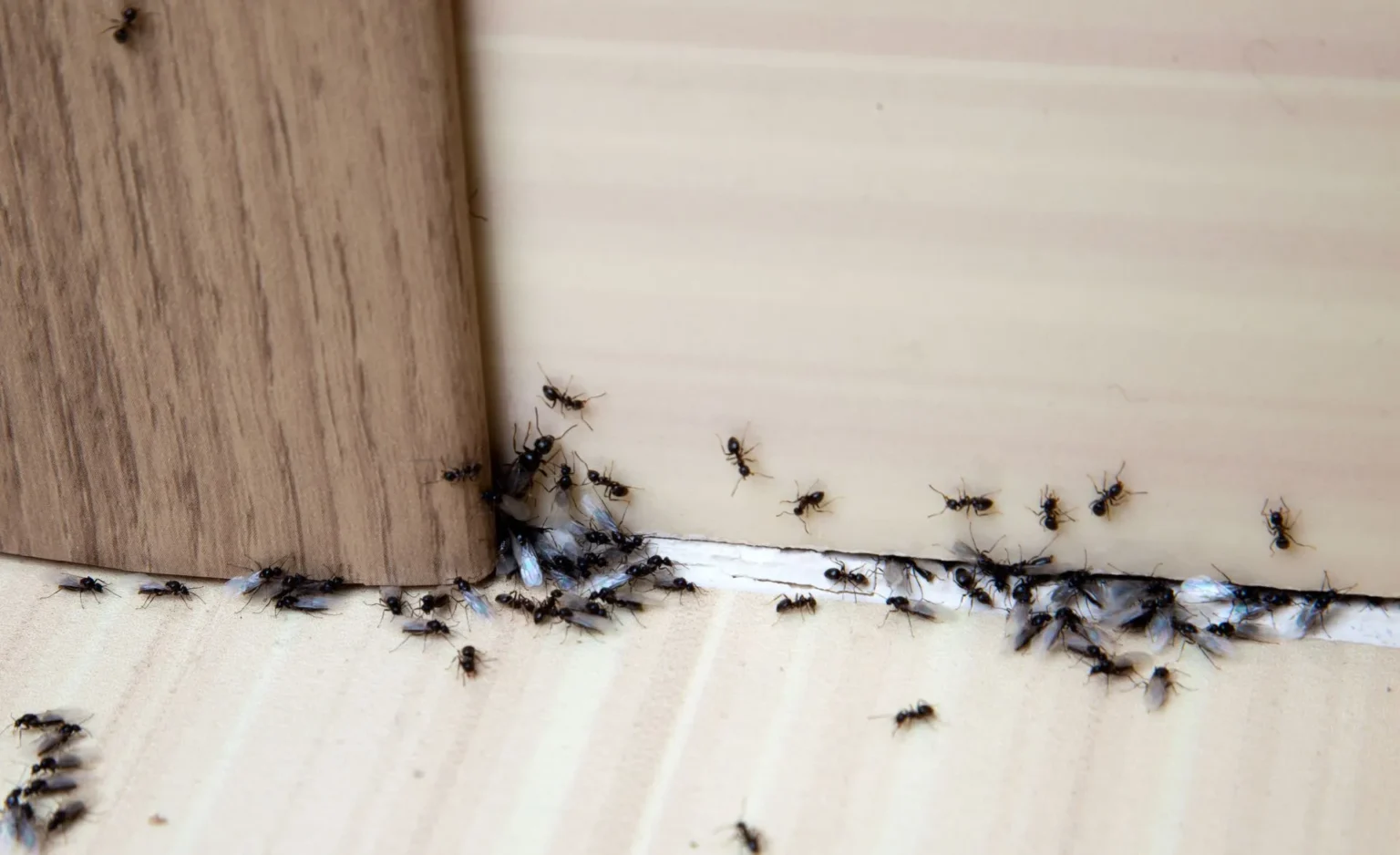
A single cockroach sighting in a dining room can do more damage than a month of strong reviews can repair. In restaurants and food service operations, pests are not just a nuisance. They threaten public health, invite regulatory scrutiny, interrupt service, contaminate inventory, and undermine the trust that keeps guests coming back.
Anyone who has spent time around commercial kitchens knows that pest pressure is different from what you see in an office, retail shop, or private home. Restaurants generate warmth, moisture, food residue, grease, cardboard waste, floor drains, and late-night access points, all in one place. Add deliveries coming through the back door, produce arriving in boxes, staff moving quickly during rush periods, and dumpsters sitting close to the building, and you have the exact conditions that pests seek out.
That is why Pest Control Services for restaurants have to be more disciplined, more preventive, and more operationally aware than general residential treatments. The best providers do not simply show up with a spray can. They inspect structure, sanitation, traffic patterns, storage habits, moisture sources, and staff practices. They think like both a technician and an operator.
Why restaurants face constant pest pressure
Food service environments rarely get a true reset. Even when the doors close, the building is still active. Refrigeration runs overnight, mop sinks stay damp, grease traps hold organic matter, and trash areas continue to attract insects and rodents. For pests, a restaurant is less a stop along the way and more a year-round resource.
Rodents are particularly drawn to exterior dumpsters, unsecured delivery doors, and wall penetrations around utility lines. Mice can squeeze through openings that look too small to matter, and once they establish a route, they tend to use it repeatedly. Rats are bolder, often tied to alleyways, drains, loading zones, and cluttered waste areas.
Cockroaches thrive where heat and moisture are stable. You often find pressure near dish stations, floor drains, hot lines, beverage stations, under sinks, and behind refrigeration where dust, condensation, and crumbs gather. German cockroaches are especially problematic in food service because they reproduce quickly and stay hidden in tight harborages. A kitchen can appear clean at a glance and still support an active infestation behind equipment panels or inside voids.
Stored product pests create a different kind of challenge. Small beetles and moths can arrive in dry goods such as flour, grains, spices, baking mixes, and pet food if the business has an animal-related component. Fruit flies, drain flies, and phorid flies emerge where moisture and organic buildup are allowed to persist. These are often mistaken for the same issue, but control depends on identifying the exact species and the breeding site.
Restaurants also face a pace problem. Staff are moving fast, often under pressure, and systems can break down when the operation is understaffed or volume spikes. A door gets propped open during a delivery. A leaking faucet stays on the repair list too long. A bag of onions sits overnight in a corner instead of on shelving. None of these mistakes look dramatic on their own. Over time, they create access, food, and shelter.
What good Pest Control Services actually look like in food service settings
A strong commercial pest program starts with inspection, not treatment. The provider should be mapping activity, not guessing. In practice, that means examining the exterior perimeter, door sweeps, utility penetrations, dumpster placement, rooflines, drains, storage shelving, dry goods rotation, under-equipment voids, and employee habits that affect pest entry or survival.
In a well-run restaurant account, service notes are specific. They mention where droppings were found, which monitors showed activity, whether fly pressure is tied to drains or produce, whether sanitation has improved since the prior visit, and which exclusion repairs remain open. Vague notes such as “treated as needed” do little for management and even less if a health inspector asks for records.
The method should reflect the operation. A fine dining restaurant, a busy quick-service kitchen, a bakery, a school cafeteria, and a hospital food production area all have different risk points. A bakery, for example, may battle stored product pests and flies drawn to sweet residues. A bar-heavy concept may see more drain fly issues around floor sinks and beverage lines. A pizzeria may struggle with flour dust in overlooked corners and heat-heavy equipment that creates ideal harborage.
The provider also needs to respect the realities of service. Treatment plans should minimize disruption, protect food-contact surfaces, and align with prep schedules, closing routines, and cleaning windows. In many cases, the most important part of the visit is not chemical application at all. It is inspection, sanitation guidance, trapping, exclusion, and follow-up verification.
The pests that matter most, and why they behave differently
Rodents tend to reveal operational weak points faster than most pests. Fresh gnawing on dry goods, droppings near shelving, rub marks along baseboards, or activity behind the beverage station usually point to access problems combined with available food. One pattern I have seen repeatedly is a restaurant that keeps passing health inspections but still has mouse activity because back receiving doors do not close tightly. The building can be spotless and still lose that battle if exclusion is weak.
Cockroaches expose hidden maintenance and cleaning failures. A severe German cockroach issue usually means food debris, warmth, moisture, and harborage have been available for some time. Roaches often cluster near compressors, electrical boxes, and gaps around cooking equipment where routine cleaning does not reach. One of the hardest conversations in pest management is explaining that a kitchen can look “pretty clean” at eye level while remaining highly favorable to roaches in inaccessible voids and beneath heavy equipment.
Flies are often dismissed because they seem minor compared with rodents or roaches, but in restaurants they can become a visible sign of neglect very quickly. Guests notice flies immediately, especially around windows, bars, pastry displays, and host stands. Yet fly control is often more diagnostic than reactive. Spraying adult flies without removing the breeding source is money wasted. If the problem is sludge in a floor drain, a leaking soda line, moisture under a cracked tile section, or fermenting residue in a trash cavity, adults will keep returning.
Stored product pests usually tell you something about receiving, stock rotation, or long-term storage conditions. Infested product may arrive from a supplier, but it can also develop in-house when goods sit too long or are stored in compromised packaging. These pests are a reminder that pest control begins before food even reaches the line.
The link between pest control, health inspections, and brand protection
Restaurant owners sometimes think about pest control primarily as a compliance issue. It is that, but it is more than that. Health inspectors care about evidence of pests because it signals a broader failure in food safety systems. Droppings, live insects, gnawed packaging, and breeding flies suggest risks that go beyond appearance. They raise concerns about contamination, improper storage, inadequate sanitation, and building disrepair.
An inspector who sees insect activity around a prep area is unlikely to view it as an isolated event. They will start asking deeper questions. Are food products protected? Are drains maintained? Are doors self-closing? Is waste removed often enough? Are service records available? Has management addressed previous findings?
Public reputation may be even less forgiving. A guest might never know that your grease trap was serviced on time or that your walk-in temperatures were logged correctly, but they will remember a roach on the wall or a fly in the dining room. Online reviews spread fast, and photos spread faster. One incident captured on a phone can undo years of careful hospitality.
For multi-unit operators, the stakes are even higher. A pest problem at one site can influence perceptions of the entire brand. Corporate teams increasingly want standardized reporting, trend analysis, and proof that local managers are closing corrective actions. That is one reason sophisticated Pest Control Services have become part of operational risk management, not just facility maintenance.
What an effective restaurant pest program includes
A restaurant account should not rely on a single tactic. The strongest programs combine monitoring, sanitation improvement, exclusion work, targeted treatment, and documentation. Each piece matters because pests exploit the gap between departments. If sanitation blames maintenance, maintenance blames operations, and operations assumes the pest vendor will solve everything with product, infestations persist.
An effective program usually includes the following:
- Regular inspections focused on kitchens, storage, receiving areas, bars, dumpsters, drains, and exterior entry points.
- Monitoring tools such as traps, insect monitors, and trend logs to measure activity over time.
- Exclusion recommendations for door sweeps, seals, gaps around pipes, vents, and structural cracks.
- Sanitation and storage corrections, including drain cleaning, shelf organization, spill response, and cardboard control.
- Targeted treatments chosen for the site, species, and food safety requirements.
What separates an average provider from a strong one is not simply whether these items exist on paper. It is whether they are carried through consistently, verified on return visits, and communicated clearly to the operator.
Sanitation is not the same as cleanliness
This distinction matters. Many restaurant teams clean what they can see and miss what pests actually use. Shiny stainless steel can coexist with deep residue under a fryer, sticky syrup under a bar gun station, or grease accumulation in wheel tracks beneath movable equipment.
Sanitation in pest management means removing access to food, water, and shelter at the level pests experience the building. That can include cleaning behind and beneath equipment, scrubbing floor drains to remove organic film, emptying mop buckets, reducing standing water, rotating stock, sealing open ingredients, and removing clutter that creates hiding spaces.
Cardboard deserves special mention. It arrives with deliveries, absorbs moisture, and provides harborage. In some kitchens, stacks of unused boxes become a standing feature of the dry storage room. That habit invites both insects and rodents. Plastic or metal shelving and sealed containers are better long-term choices.
Waste handling is another weak point. Trash should move out regularly, liners should be intact, and dumpster lids should stay closed. A dumpster area that smells heavily, leaks residue, or holds loose trash nearby will draw pests to the property and increase pressure on the building envelope.
Exclusion often solves what treatments cannot
Restaurants can spend significant money on recurring service and still see rodent activity if the structure remains open. Exclusion is not glamorous, but it is one of the highest-value investments a food service business can make.
A quarter-inch gap under a rear door may not seem urgent during a busy week, yet it can be the reason traps keep filling. Missing sweeps, bent thresholds, torn screens, unsealed conduit entries, broken vent covers, and dock door light gaps all create pathways. Older buildings are especially vulnerable because repairs accumulate unevenly over time. A restaurant in a historic downtown block may have shared walls, aging masonry, and utility penetrations that are difficult to access without coordination.
The same principle applies indoors. Gaps around plumbing under sinks, broken tiles around floor https://waylonipac385.wordcanopy.com/posts/pest-control-services-for-long-term-prevention-and-monitoring drains, and open wall voids behind equipment can turn a manageable issue into a persistent one. Good Pest Control Services will document these conditions and push for repair, even when it is outside their direct scope. The best technicians know that honesty beats temporary relief.
How service frequency should be decided
There is no single schedule that fits every food service business. Monthly service may be adequate for some low-risk sites with strong internal controls, while others need weekly or twice-monthly attention during periods of pressure. A high-volume urban restaurant with alleyway dumpsters, frequent deliveries, and older infrastructure generally needs more frequent monitoring than a small café with limited prep and a newer buildout.
Seasonality matters too. Fly activity tends to rise in warmer months, though heated buildings can support pests year-round. Rodents often push indoors more aggressively when exterior conditions become less favorable, but in cities with dense food availability, activity can remain steady through every season.
A practical provider adjusts service intensity based on evidence, not habit. If monitors show stable control, sanitation is strong, and exclusion repairs are complete, frequency may be reduced responsibly. If activity rises, the plan should tighten before the issue becomes visible to guests or inspectors.
Staff behavior can make or break the program
Even a strong pest vendor cannot overcome a disengaged operation. Managers and line staff shape outcomes every day through opening, prep, cleaning, receiving, and closing habits. The challenge is that pest prevention tasks often feel minor until there is a problem. By then, the root causes may be weeks old.
The most reliable restaurant teams reinforce a short set of behaviors until they become automatic:
- Keep delivery and back doors closed except during active use.
- Store food at least several inches off the floor and in sealed containers where appropriate.
- Clean spills immediately, especially syrup, grease, and wet organic debris.
- Report leaks, damaged seals, and pest sightings the same shift they are noticed.
- Rotate stock consistently and remove excess cardboard from storage rooms.
This is not about turning kitchen staff into pest technicians. It is about recognizing that prevention lives in routine. The closer these habits are tied to normal operating standards, the less likely pest control becomes a recurring fire drill.
Choosing a pest control partner for a restaurant
Price matters, but the cheapest service often costs more once callbacks, failed inspections, spoiled inventory, and reputational damage are factored in. Restaurants should look for a provider with direct experience in food service environments, clear documentation practices, and a willingness to collaborate with managers, maintenance teams, and cleaning crews.
Ask how inspections are documented and whether trend reporting is available. Ask who reviews recurring findings and how urgent issues are escalated. Ask whether the company provides exclusion recommendations with enough detail for a handyman or contractor to act on them. Ask how they distinguish among fly species, because that alone can tell you a lot about the depth of their diagnostic process.
Response time matters as well. If a guest sees a roach or a manager spots fresh rodent evidence before opening, waiting several days for a visit is not acceptable. Food service accounts need dependable communication and a path for urgent support.
It is also worth paying attention to how a technician behaves on site. Strong technicians do not rush through the kitchen, drop a few devices, and disappear. They notice environmental clues. They ask what changed since the last visit. They know where product is received, where drains back up, where the dish pit stays wet, and which cooler line has been leaking for two weeks. They understand that pest pressure is often an operations story before it becomes a pest story.
Special cases that require extra attention
Not every restaurant pest issue follows the usual pattern. Some buildings share walls with neighboring tenants whose standards are lower. In multi-tenant retail strips, one unit can maintain excellent sanitation and still feel pressure from adjacent spaces, especially if there are common utility runs or shared refuse areas. That does not remove responsibility, but it does change the strategy. Coordination with property management becomes essential.
Renovations can trigger sudden activity. Disturbing wall voids, moving equipment, or opening neglected plumbing areas can flush insects or rodents into active zones. This is one reason pest planning should be part of remodel preparation, not an afterthought once workers are already on site.
Outdoor dining adds another layer. Patios attract guests, but they also attract flies, stinging insects, and scavenging pests if bussing is delayed or beverage spills accumulate. Control outdoors relies less on broad treatment and more on sanitation discipline, waste management, drainage, and smart placement of planters, lighting, and trash receptacles.
Facilities that operate nearly around the clock, such as ghost kitchens, institutional cafeterias, or airport concessions, can be particularly demanding because there is little downtime for deep corrective work. In these settings, scheduling and coordination become as important as technical skill.
What restaurant owners should expect after a pest issue is found
Discovery of pest activity does not always mean catastrophe, but it does require discipline. A good response starts with honest assessment. Where is the activity, how extensive is it, and what conditions are supporting it? From there, the provider and management team should move quickly on sanitation, exclusion, and monitoring, while applying targeted treatment where appropriate.
Progress should be measured, not assumed. If rodent droppings are still appearing in the same corner after two service cycles, something structural or operational remains unresolved. If flies drop for three days and rebound, the breeding source has likely not been removed. If roach monitor counts fall in one area but rise in another, equipment movement or hidden harborage may be involved.
The right expectation is control through sustained correction, not instant disappearance through a single visit. Restaurants that understand this tend to recover faster because they support the process instead of looking for a one-time fix.
Pest management in food service is ultimately about standards. Cleanliness, yes, but also vigilance, maintenance, training, accountability, and follow-through. When those pieces line up, Pest Control Services become a stabilizing part of operations. When they do not, pests simply reveal the gaps.
Affordable Pest Solutions LLC
Phone number: +19732299547
FAQ About Pest Control Services
How much does pest control charge?
For a standard 1,500-square-foot home, professional pest control charges generally average $100 to $300 for an initial visit, with ongoing monthly services running $40 to $75 per visit and one-time emergency exterminations costing $100 to $600, depending heavily on the specific pest and the severity of the infestation.
What is the hardest pest to get rid of?
Bed bugs are widely considered the hardest household pest to get rid of, closely followed by German cockroaches and subterranean termites.
What is included in a pest control service?
A standard pest control service includes a property inspection, targeted treatments, and prevention advice. It typically covers common pests like ants, spiders, and cockroaches, using sprays, baits, or traps.