Pest Control Services for Humid Areas Prone to Infestations
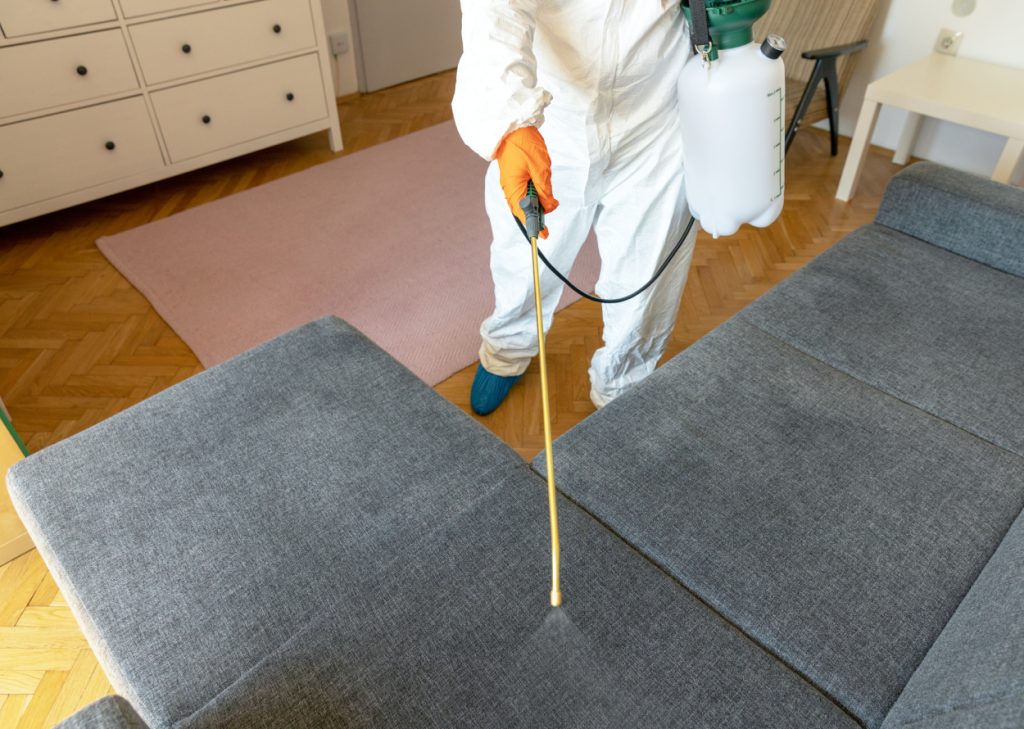
Humidity changes the rules of pest control. In dry climates, infestations often build slowly and stay localized. In damp coastal towns, subtropical suburbs, river-adjacent neighborhoods, and older properties with poor airflow, pests find what they need almost year-round: moisture, shelter, and steady food sources. That combination makes routine prevention far more important than occasional treatment.
Anyone who has managed a home or commercial property in a humid area knows the pattern. A small patch of condensation under a sink turns into German cockroaches behind the cabinetry. A crawl space with high moisture becomes a highway for termites. Mosquitoes show up after a week of rain, but the real issue is the standing water that never fully dries. Even well-maintained buildings can have recurring pressure from ants, silverfish, drain flies, rodents, and mold-feeding insects when the air stays damp and surfaces remain cool enough to hold condensation.
This is where skilled Pest Control Services stand apart from simple spray treatments. In humid regions, control is rarely about one product or one visit. It is about understanding how moisture drives pest behavior, how buildings trap humidity, and how to break the cycle before insects and rodents settle in.
Why humidity creates persistent pest pressure
Water is the hidden fuel behind many infestations. Pests need food, but in humid areas they also gain access to damp wood, wet insulation, organic buildup, and soft structural materials that support nesting and breeding. Cockroaches dehydrate quickly, so they thrive in kitchens, bathrooms, laundry rooms, and mechanical spaces where moisture is stable. Termites depend on moisture to survive while moving through soil and wood. Mosquitoes breed in even small amounts of water, from clogged gutters to plant saucers. Silverfish, springtails, and certain beetles are drawn to damp paper, fabric, and mold growth.
What makes humid climates difficult is that the environment keeps resetting favorable conditions. You can reduce an infestation indoors, but if the crawl space remains wet, the attic vents poorly, or the grading pushes water toward the slab, pests return. This is one reason homeowners sometimes feel they are "always treating" but never resolving the issue. The chemical side gets attention, while the moisture side remains untouched.
In my experience, the worst infestations in humid areas are often not the dirtiest properties. They are the properties with small, chronic moisture problems that nobody fully addressed. A neat bathroom vanity with a tiny ongoing leak can support more roach activity than a messier but dry room. A beautifully landscaped yard with dense mulch against the foundation can create ideal shelter for ants and termites. Appearance matters less than conditions.
The pests that flourish when moisture lingers
Different humid regions have different pest profiles, but a few categories come up again and again. Termites sit at the top of the list because they can cause serious structural damage before anyone notices them. Subterranean termites are especially common where soil stays moist and wood-to-ground contact exists somewhere around the structure. In older homes, I have seen porch framing, sill plates, and window trim softened enough to crumble by hand, all because years of trapped dampness made the structure easy to colonize.
Cockroaches are another defining pest in humid zones, especially German and American roaches. German roaches are indoor specialists and multiply fast in warm, damp spaces. American roaches often begin around drains, utility penetrations, or exterior harborage zones and then move inside. People often assume a single visible roach is random, but in humid properties one sighting near a bathroom or kitchen at night usually deserves a closer inspection.
Mosquitoes are a different kind of problem because the source is often outside and sometimes not even on the customer’s property. Still, humid yards with poor drainage, ornamental containers, and dense vegetation can support enough breeding and resting sites to make a backyard hard to use for much of the year. Drain flies, fungus gnats, and phorid flies also deserve mention, particularly in multifamily housing and commercial kitchens where wet organic matter accumulates in drains, mop sinks, floor cracks, or under equipment.
Ants become more persistent in wet weather as colonies shift and split. Some species enter buildings after heavy rain, while others settle near plumbing voids or around window frames where condensation forms. Rodents are often overlooked in conversations about humidity, but damp conditions can push them toward dry nesting spots inside walls, attics, and storage areas, especially when food is accessible.
What effective Pest Control Services look like in humid climates
A proper service plan for a humid area starts with inspection, not product selection. Good technicians look for evidence of activity, of course, but they also read the building. They check ventilation, drainage, foundation cracks, pipe penetrations, weather stripping, roof runoff, and hidden moisture points. If that part is skipped, treatment may reduce activity temporarily without changing the conditions that support it.
In practical terms, strong Pest Control Services in humid areas usually involve a combination of monitoring, targeted treatment, and environmental correction. Baits may work better than broad sprays for certain cockroach and ant infestations, especially where insects are nesting behind walls or inside cabinet voids. Termite work may call for soil treatments, baiting systems, wood repairs, or a combination based on construction type and infestation history. Mosquito control often involves source reduction and habitat management just as much as fogging or larviciding.
The cadence of service matters too. In a dry climate, quarterly visits may be enough for many homes. In heavy humidity, seasonal surges and faster pest reproduction can justify more frequent visits, at least for part of the year. Restaurants, condos, and medical facilities often need closer monitoring because moisture from plumbing, HVAC systems, and sanitation processes creates constant pressure.
A technician with local experience usually recognizes patterns that generic service plans miss. In one coastal property I inspected years ago, the owner had repeated ant treatments with decent short-term results. The real issue turned out to be condensation around an improperly insulated HVAC line running through a closet wall. That cool, damp cavity gave ants a reliable water source. Once the insulation and sealing were corrected, the recurring activity dropped sharply. The pesticide mattered, but the moisture diagnosis mattered more.
Moisture control is pest control
This point deserves its own section because it is where many infestations are won or lost. If a property owner in a humid region asks what single investment makes the biggest difference over time, I usually say moisture control. Not because it replaces Pest Control Services, but because it allows those services to work.
Indoor humidity that stays high for long periods supports more than mold. It softens materials, encourages decay, and creates microhabitats pests can exploit. Crawl spaces are frequent trouble spots. An unsealed crawl space with exposed soil, poor drainage, and limited airflow can remain damp enough to support termites, roaches, ants, and rodents. Basements with condensation on walls or around pipes invite similar problems. Bathrooms without proper exhaust, utility rooms with slow leaks, and attics with inadequate ventilation all contribute.
For homeowners, a few interventions consistently pay off:
- Fix plumbing leaks promptly, even minor drips under sinks or behind appliances.
- Keep gutters clear and direct downspouts away from the foundation.
- Maintain indoor humidity, often in the 45 to 55 percent range when practical.
- Reduce dense vegetation and heavy mulch directly against exterior walls.
- Seal gaps around pipes, vents, doors, and utility entries.
None of these steps is glamorous, and none acts as an instant cure. But in humid environments they remove the conditions that allow infestations to rebound. The pest technician and the property owner have to work from the same playbook, otherwise service becomes reactive rather than preventive.
Where infestations usually begin
Most customers notice pests where they are visible, but the origin is often elsewhere. In humid properties, infestations tend to begin in transition zones, areas where moisture, darkness, and shelter overlap. Kitchens are common, but not because of crumbs alone. Sink bases, dishwasher voids, refrigerator drip pans, and wall penetrations create ideal pockets for roaches and ants. Bathrooms, especially guest bathrooms used infrequently, can support activity around traps, toilet seals, and vanity plumbing.
Outside, the perimeter tells a story. Poorly draining flower beds, leaf litter packed into corners, stored lumber, and irrigation overspray along the foundation all increase risk. Wooden fences attached directly to structures are a classic bridge for termites and ants. So are deck posts, landscape timbers, and planter boxes placed too close to siding.
Commercial properties face similar patterns, though the scale differs. Restaurants deal with floor drains, grease traps, beverage lines, and constant washdown moisture. Hotels have laundry operations, bathrooms in every room, and frequent turnover that hides early signs. Warehouses with roof leaks and condensation can harbor rodents and insects despite looking clean and organized. Schools and healthcare buildings often struggle with utility chases and older infrastructure where moisture problems stay hidden for years.
Signs that a humid-area infestation is no longer minor
A lot of people wait too long https://landenpqny216.iamarrows.com/pest-control-services-for-healthcare-facilities-and-clinics because they hope sporadic sightings will fade on their own. In humid climates, problems usually spread faster than expected. A few warning signs suggest it is time for professional attention rather than store-bought products:
- Repeated sightings in the same room, especially at night or after rain
- Musty odors, droppings, shed skins, or grease marks along baseboards and cabinets
- Bubbling paint, soft wood, or unexplained moisture near walls and trim
- Mosquito activity concentrated in one part of the yard despite dry weather
- Flying termites, swarmers, or mud tubes near the foundation or crawl space
These signs do not all point to the same pest, but they do point to a pattern: active harborage supported by moisture. At that stage, guessing wastes time. The right inspection narrows the cause quickly.
Treatment methods and the trade-offs that matter
People often ask which treatment is "best," but in humid areas the better question is which treatment matches the pest, the structure, and the moisture conditions. Broad perimeter spraying may help with certain occasional invaders, but it does little for a deep German roach infestation inside kitchen voids. Drain treatments can help with flies, but if a floor drain is dry-trapped or organic buildup keeps returning, the benefit may be short-lived. Termite baits are valuable in many settings, yet severe structural vulnerabilities may still require direct corrective work.
Baits have several advantages in damp environments because they can reach hidden nests and reduce the need for excessive liquid application inside occupied spaces. The trade-off is patience. Baiting often takes more time than a knockdown spray, and poor placement can limit results. Liquid residual products can provide faster reduction for some pests, but they break down differently depending on heat, sunlight, surface type, and moisture exposure. Overapplication around wet zones can also push pests deeper into walls rather than eliminate them.
For mosquitoes, customers often expect one treatment to solve everything. Outdoor treatments can reduce adult populations for a period, especially around resting sites like shrubs and shaded fencing, but lasting relief usually depends on removing breeding sources. That may mean changing irrigation schedules, cleaning drains, emptying containers, and managing low spots that collect water after rain. In neighborhoods with heavy vegetation and nearby standing water, expectations have to be realistic. Control is possible, but eradication is not.
Termite service involves perhaps the clearest trade-offs. Soil treatments can offer strong protection when applied correctly, but access issues, slab construction, and drainage conditions affect how complete the barrier can be. Bait systems allow ongoing monitoring and can be highly effective, but they require maintenance and professional follow-through. Wood replacement without treatment leaves the larger problem unresolved. Good providers explain these distinctions instead of selling a one-size-fits-all package.
Why local building type changes the approach
Construction style matters more in humid regions than many people realize. Slab-on-grade homes have different vulnerabilities from raised foundations. Brick veneer walls can hide moisture pathways. Older homes with crawl spaces may suffer from airflow problems, exposed soil moisture, and previous repairs that unintentionally trap dampness. Even modern homes with tight envelopes can experience indoor humidity issues if ventilation is poorly balanced.
I have seen two houses on the same street require completely different service plans. One was a slab home with recurring ant and roach pressure around plumbing penetrations. The other had a crawl space where elevated moisture was drawing termites and occasional rodent activity. Both owners described the problem as "bugs because of the humidity," which was true in a broad sense, but the control strategy had to match the structure.
This is why inspection reports should be specific. "Treat perimeter and monitor" is not enough when the real problem is a wet crawl space, a leaking condensate line, or chronic condensation behind bathroom tile. Professional Pest Control Services should connect the pest issue to the building condition in plain language, so the owner understands what needs treatment and what needs repair.
Choosing a service provider in a high-humidity region
In humid areas, technical skill and consistency matter more than marketing. The best companies are not always the ones promising instant eradication. They are the ones that inspect thoroughly, communicate clearly, and adjust the plan as seasons and conditions change.
Ask how they handle moisture-related drivers. Ask whether they inspect crawl spaces, attics, drainage, and utility penetrations. Ask what they do when treatment alone will not solve the issue. A competent provider should be comfortable saying, "This needs a plumber," or "The grading around this wall is contributing to the problem." That kind of honesty is usually a good sign.
It also helps to understand what service frequency means. Monthly visits may be warranted for commercial sites or severe recurring issues. Bimonthly or quarterly plans can work for many homes if underlying conditions are controlled. What matters is whether the schedule reflects actual pest pressure and local climate patterns rather than a generic sales model.
Documentation is another mark of quality. Good technicians note activity levels, treatment areas, sanitation concerns, moisture findings, and follow-up recommendations. Over time, that record becomes useful. It shows whether the issue is improving, shifting, or tied to weather events and building changes.
Seasonal shifts in humid areas are not always intuitive
Many people assume pest season ends when temperatures cool, but humidity complicates that idea. In some regions, winter brings less outdoor activity but more indoor pressure as pests seek stable shelter. In others, rainy shoulder seasons create sudden spikes in ants, termites, and mosquitoes. HVAC use can even change pest patterns indoors by creating cool condensation points in warm weather and dry-seeking behavior in colder months.
This is why timing matters. Preventive service before peak swarming, before prolonged rains, or before summer humidity fully sets in often works better than waiting for visible activity. The same logic applies after storms. Wind and heavy rain can disrupt nests, flood burrows, and open structural gaps. Post-storm inspections frequently catch issues before they become expensive.
For businesses, seasonality should guide staffing and sanitation routines too. A restaurant patio near landscaping may need different mosquito and fly strategies in late summer than in early spring. A hotel with high occupancy during humid months may need more frequent room-edge inspections and drain maintenance. The climate sets the pressure, but operations determine how much that pressure turns into infestation.
Long-term control is built on small, repeated decisions
There is no dramatic secret to managing pests in humid regions. The properties that stay ahead of infestations are usually the ones where owners fix leaks early, keep air moving, maintain drainage, and use Pest Control Services as an informed preventive system rather than an emergency response. It is steady work, but it pays off in fewer surprises and lower repair costs.
What often surprises people is how fast conditions can improve once the moisture side is addressed. Roach pressure drops when cabinets dry out and voids are sealed. Termite risk falls when wood contact is corrected and crawl space humidity comes under control. Mosquito complaints decrease when hidden breeding sites are removed and landscaping is thinned enough to reduce resting cover. The chemistry helps, but the environment decides whether the fix lasts.
Humid climates will always have heavier pest pressure than dry ones. That is simply the reality of warm, damp ecosystems around buildings. But recurring infestations are not inevitable. With accurate inspection, targeted treatment, moisture management, and realistic maintenance, even high-pressure properties can become far more stable, more comfortable, and much less attractive to the pests that thrive when the air never quite dries out.
Affordable Pest Solutions LLC
Phone number: +19732299547
FAQ About Pest Control Services
How much does pest control charge?
For a standard 1,500-square-foot home, professional pest control charges generally average $100 to $300 for an initial visit, with ongoing monthly services running $40 to $75 per visit and one-time emergency exterminations costing $100 to $600, depending heavily on the specific pest and the severity of the infestation.
What is the hardest pest to get rid of?
Bed bugs are widely considered the hardest household pest to get rid of, closely followed by German cockroaches and subterranean termites.
What is included in a pest control service?
A standard pest control service includes a property inspection, targeted treatments, and prevention advice. It typically covers common pests like ants, spiders, and cockroaches, using sprays, baits, or traps.